



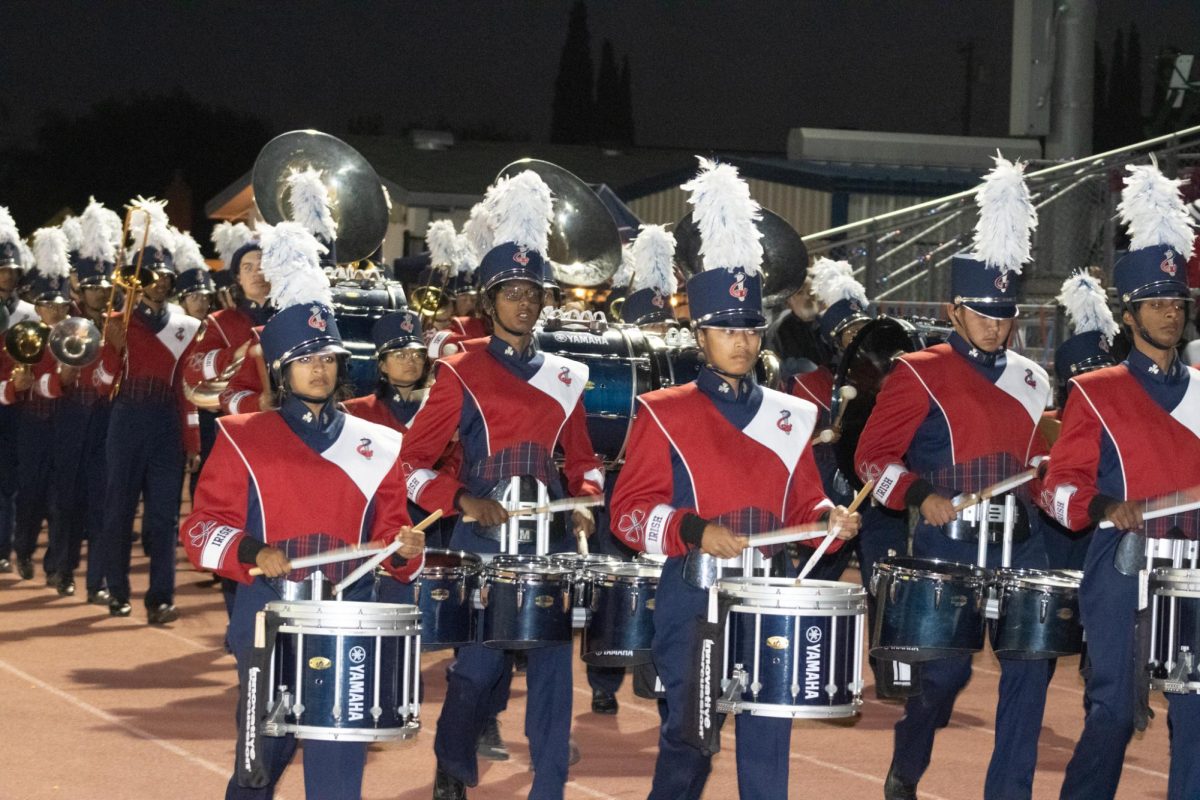
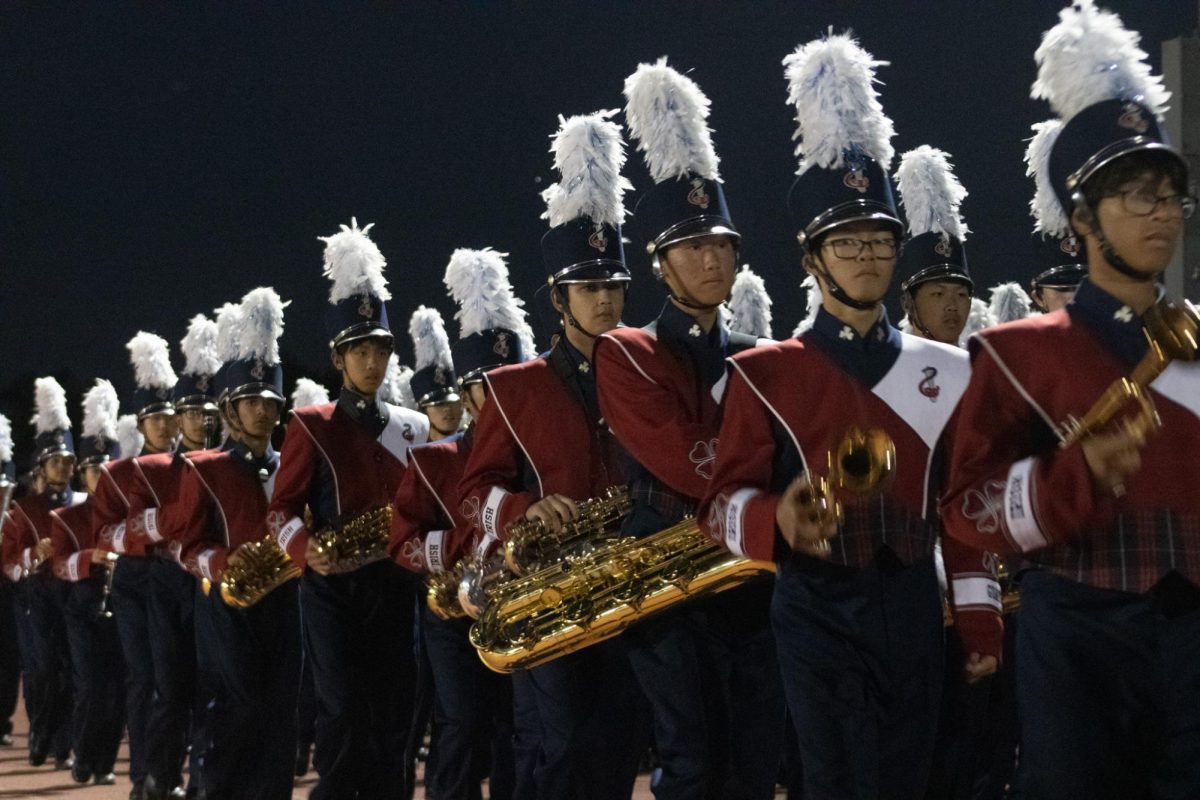


Extracurriculars were once a way for students to express their passion, but now they just feel like a way to fill another box on the Common App. Students are so focused on seeming well-rounded that they often forget why they joined a club in the first place and whether or not they even enjoy it. As college admissions become more competitive, students are losing sight of pursuing their passions authentically, rather choosing “strategy”.
Almost every college conversation students have with each other is about seeming “well-rounded” and “involved”, which pushes them to join many clubs even if they don’t have any interest in it. Some students even pick activities for how they would look– hoping that pursuing the activity will make them look different than other applicants and give them a competitive edge– rather than what they love. In a culture driven by parents’ high expectations, competitive schools, and society’s emphasis on success, which is measured by acceptance letters, it is easy to see why genuine passion is replaced with duty.
When passion turns into performance, authentic exploration disappears. Some students drop activities because they believe it won’t look good for college and juggle many extracurricular activities in hopes of looking like a well-rounded student but experience burnout. They may also quit activities easily if they don’t get officer or leadership positions. In contrast, some join activities that they aren’t even interested in because someone from the club got into an Ivy League school.
Despite the pressure, some students are still able to pursue activities that they truly enjoy. Some of them often join activities to improve themselves or through their friends. This exposure can ignite interest and motivation to continue on. Sometimes, even a resume-driven activity can spark genuine interest, such as when a student discovers a hidden talent or forms meaningful friendships. But that is becoming rarer as external pressures dominate.
This trend reveals that for many students, success has shifted from personal growth to external validation. But if students shift their focus from college acceptances to genuine interest, this culture doesn’t have to become a reality. As long as students excel in what they love to do, they have a shot at getting into a good college. By joining activities that students actually have an interest in, they are more likely to shine and have achievements. College applications are all about showcasing personal growth. That shouldn’t have to correlate with forcing ourselves to participate in activities we have no interest in. Maybe it’s time we asked ourselves: what would we choose to do without any ulterior motive?